Analyzing Variations in Craps and Sic Bo Rules at Regulated Gambling Venues
Zara Ludwig · Jul 7, 2026
Analyzing Variations in Craps and Sic Bo Rules at Regulated Gambling Venues
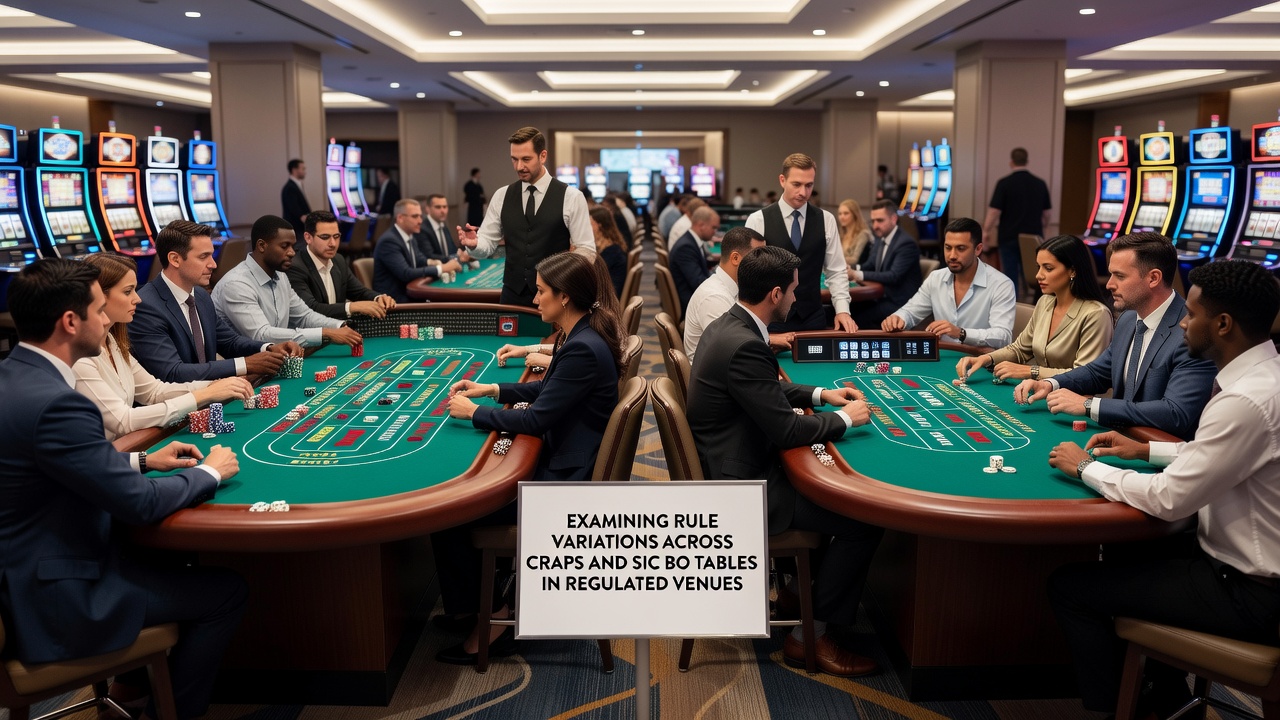
Regulated venues maintain distinct rule sets for craps and sic bo that reflect local oversight requirements, and these differences influence everything from payout structures to allowable bets. Observers note that craps typically features a shooter rolling two dice while players wager on outcomes such as pass line or come bets, whereas sic bo uses three dice and centers on combinations like big or small totals along with specific triples.
Data from multiple jurisdictions shows that minimum and maximum betting limits often vary by venue size and regulatory approval, with some locations enforcing stricter caps to align with responsible gaming protocols. Researchers have documented how these limits shape table dynamics without altering the core random nature of the dice rolls.
Key Rule Differences in Craps Across Jurisdictions
Craps tables in different regulated environments present variations in odds bets, where multipliers on pass line wagers range from 3-4-5 times in certain US states to higher limits elsewhere, and these adjustments directly affect the house edge calculations reported by gaming authorities. The Nevada Gaming Control Board publishes annual summaries that track approved configurations, revealing how some venues permit additional proposition bets while others restrict them to maintain standardized play.
Tables in Canadian provinces follow guidelines from the Alcohol and Gaming Commission of Ontario, which require explicit disclosure of all payout ratios before games commence, and this practice leads to consistent presentation of rules like the field bet paying double or triple on specific numbers. European venues often incorporate similar transparency measures, yet they sometimes limit the number of active players per table due to space regulations.
Sic Bo Adaptations in Licensed Settings
Sic bo rules exhibit comparable regional adjustments, particularly in the payout structures for three-of-a-kind combinations that can range from 150 to 1 up to 300 to 1 depending on the venue's licensed specifications. Regulatory frameworks in Asia-Pacific regions, including those overseen by the Casino Regulatory Authority of Singapore, emphasize verification of dice integrity through electronic monitoring systems that some North American sites have begun adopting as well.

Studies from industry research groups indicate that sic bo variants occasionally include side bets unique to certain markets, such as specific sum predictions that carry different odds than standard big or small wagers. Venues must secure approvals for these additions, which ensures all tables display current rule cards listing exact probabilities and returns.
Regulatory Influences on Table Operations
Approved game variations undergo periodic reviews, and updates scheduled around mid-2026 in several jurisdictions focus on standardizing electronic aids for tracking dice outcomes without modifying the fundamental random elements. These changes stem from collaborative efforts between regulators and operators to align with evolving compliance standards across borders.
One study from a university-affiliated gambling research center found that venues in Australia apply additional scrutiny to sic bo dice sets compared to craps equipment, requiring more frequent inspections that result in slightly different operational rhythms at the tables. Meanwhile, data compiled by the American Gaming Association highlights how craps layouts in some tribal gaming facilities incorporate unique horn bet configurations approved only after extensive testing.
Players encounter these distinctions through posted signage and dealer explanations that comply with local mandates, and cross-jurisdictional comparisons reveal that while core mechanics remain intact, the layering of optional wagers creates measurable differences in session length and betting patterns.
Conclusion
Rule variations across craps and sic bo tables in regulated venues arise directly from licensing requirements and oversight mechanisms that prioritize consistency within each market. Information released by bodies such as the Nevada Gaming Control Board and the Casino Regulatory Authority of Singapore documents these configurations through public reports that detail approved payouts and operational procedures. Observers tracking developments into 2026 continue to note incremental refinements aimed at maintaining fair play standards without disrupting established game structures.