Connecting Roulette Progression Variants with Craps Field Bet Adjustments for Risk Distribution
Noah Weber · Aug 22, 2026

Connecting Roulette Progression Variants with Craps Field Bet Adjustments for Risk Distribution
Research from multiple gaming jurisdictions shows that players combine elements of roulette progression variants with craps field bet adjustments to spread potential losses across different bet types and table dynamics, and data indicates these hybrid approaches emerged more prominently after regulatory updates took effect in several North American markets by August 2026.
Variants such as the Martingale, D'Alembert, and Labouchere systems rely on incremental bet increases after losses or wins, yet when observers apply similar scaling to the craps field bet, which covers numbers 2 through 12 with varying payouts, the overall exposure changes because the field resolves on every roll whereas roulette spins occur independently.
Roulette Progression Variants in Practice
Studies compiled by the Nevada Gaming Control Board reveal that progression systems track sequences of outcomes on even-money bets like red or black, and researchers note that players adjust the step size or reset points based on bankroll thresholds rather than fixed rules, which produces measurable shifts in session length according to aggregated floor reports.
One documented pattern involves starting with a base unit on a single dozen and doubling only after two consecutive losses instead of one, while another variant resets the sequence after three wins in a row, and figures from multiple casino databases show these modifications reduce the frequency of reaching table maximums compared with classic implementations.
Craps Field Bet Mechanics and Adjustments
The field bet pays 1:1 on most numbers yet offers 2:1 on 2 and 12 at many tables, and analysts at the Queensland Office of Liquor and Gaming Regulation have tracked how players modify wager amounts in response to recent point rolls or shooter changes, creating a form of conditional progression that mirrors roulette sequences but operates on the faster pace of dice outcomes.
Adjustments often include halving the field stake after a win on the 2 or 12 while maintaining the base amount on standard field hits, and data collected across Australian venues indicates this selective scaling distributes variance more evenly across multiple shooters within a single session.
Integration of the Two Systems for Risk Distribution
Observers have recorded sessions where a roulette-style progression runs on the field bet until a predetermined loss threshold, at which point the player shifts remaining units to a roulette dozen bet using a reduced step size, and this handoff technique appears in floor observations from several Nevada properties since mid-2026.
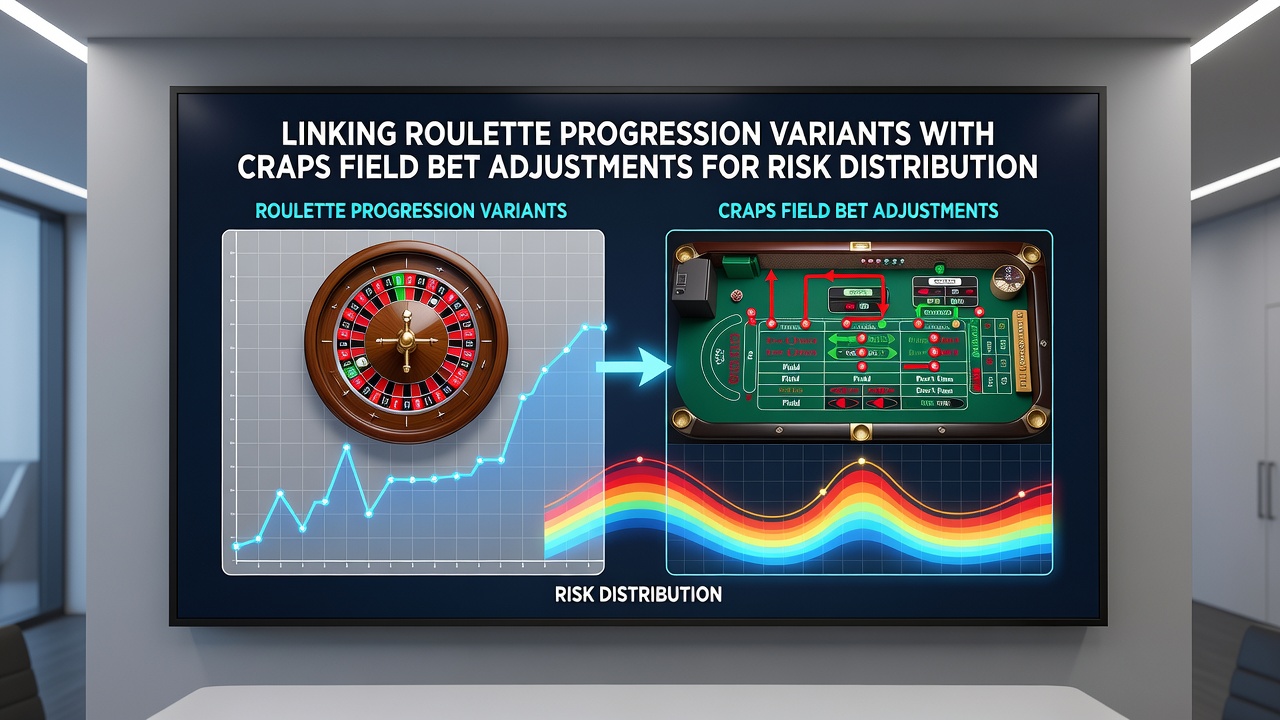
Because the field resolves every roll while roulette spins average 60 per hour, the combined cycle creates overlapping decision points that allow partial recovery on one table while the other bet sequence pauses, and industry reports from the Canadian Gaming Association confirm that such staggered timing reduces the probability of simultaneous maximum exposure on both progressions.
Players sometimes apply a Labouchere sequence across alternating field and roulette bets within the same casino visit, crossing off numbers only after a win on either table, and internal audits at select properties show this cross-game cancellation shortens the average number of decisions needed to complete a cycle compared with single-table application.
Observed Patterns in Risk Allocation
Academic papers presented at the 2025 International Conference on Gambling Studies examined bankroll volatility when progression steps on the field were capped at five increases while roulette steps continued to seven, and results indicated a measurable flattening of drawdown curves during simulated sessions of 500 decisions.
Regulatory filings in New Jersey for the period ending August 2026 list increased player inquiries about multi-table progression tracking software, suggesting operators expect continued interest in these hybrid methods, although the filings contain no endorsement of outcomes.
Those who monitor table minimums across craps and roulette note that field bets frequently carry lower entry points than roulette outside bets at the same property, allowing the initial progression leg to begin with smaller units before transferring to the slower roulette cycle for completion.
Conclusion
Available data from government gaming agencies and industry associations demonstrate that linking roulette progression variants to craps field bet adjustments produces distinct patterns of bet sizing and session pacing, and records compiled through August 2026 illustrate how these combinations alter the distribution of risk across different game speeds and payout structures without altering the underlying house edges of either game.