Planning Inspectorate Blocks Merkur Slots' 24/7 Push at Spalding's Hall Place Amid Noise and Community Concerns
Hugo Klein · Apr 10, 2026

Planning Inspectorate Blocks Merkur Slots' 24/7 Push at Spalding's Hall Place Amid Noise and Community Concerns
The Decision That Kept the Lights Off Late
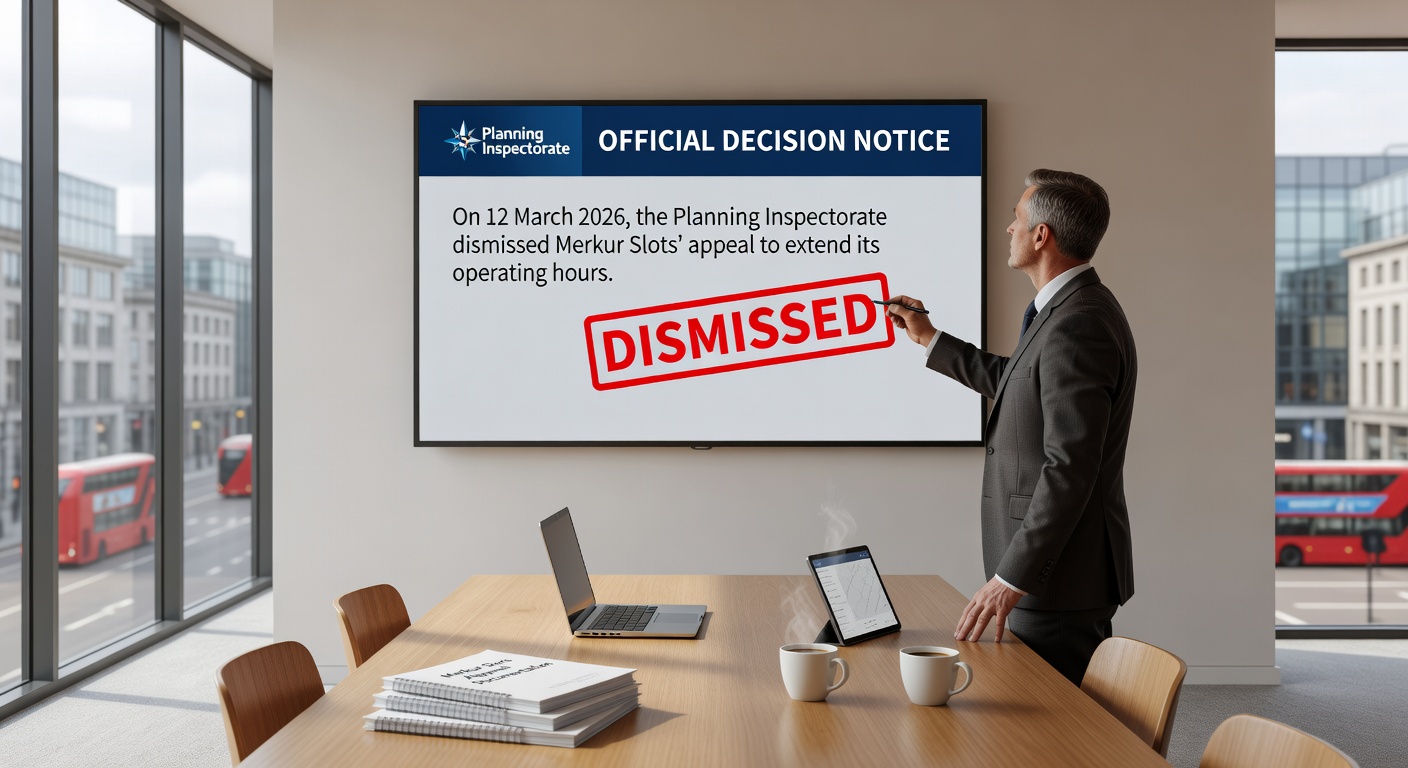
On 12 March 2026, the Planning Inspectorate delivered a clear ruling, dismissing Merkur Slots' appeal to transform its Hall Place venue in Spalding, Lincolnshire, into a round-the-clock operation; noise and disturbance risks to nearby residents outweighed the projected economic upsides, which experts described as limited. This outcome builds on a 2022 approval that stretched hours to midnight, yet stops short of the full 24/7 access the operator sought, leaving the arcade's schedule unchanged as of April 2026.
Merkur Slots, a prominent name in the UK's adult gaming centre scene, had pushed for nonstop hours to match patterns at similar sites, but the inspectorate's report highlighted how late-night activity could disrupt the peaceful living conditions in this residential pocket of Spalding, a market town where quiet evenings hold value for locals. Data from site visits and resident submissions painted a picture of potential chaos, with increased footfall, vehicle movements, and audible disturbances spilling over into homes nearby, especially since Hall Place sits embedded among houses rather than on a bustling high street.
Background on Hall Place and the Extension Bid
Hall Place has operated as a Merkur Slots venue for years, drawing players with machines and slots under the adult gaming centre banner, which caters strictly to those over 18; the 2022 permission marked a step up from earlier closing times, allowing operations until midnight on most days, and that framework held firm until this latest appeal. Operators argued that extending to 24/7 would boost local jobs and footfall into Spalding's economy, yet the inspectorate found those gains marginal, especially when weighed against quality-of-life hits for neighbours who already navigate occasional noise from the current setup.
What's interesting here is how the process unfolded: Merkur first applied through South Holland District Council, which rejected the plan citing similar worries, prompting the appeal to the independent Planning Inspectorate; hearings gathered evidence from acoustic assessments, economic forecasts, and direct testimonies, revealing that while peak hours might shift later, the overall revenue lift wouldn't justify the trade-offs. As one observer noted in coverage, the venue's location amplifies these tensions, tucked away where residential calm reigns supreme, unlike urban casinos that blend into the nightlife hum.
Key Factors in the Dismissal: Noise, Harm, and Slim Benefits
The inspectorate's verdict zeroed in on tangible harms, with noise modelling showing amplified risks after midnight, from chattering groups exiting machines to idling cars in the car park; residents submitted logs of existing disturbances, even under midnight rules, underscoring that full extension would crank those issues up a notch. Disturbance extended beyond sound, too, encompassing light spill, litter, and general unease in a family-oriented area where people expect restful nights.
Economically, projections fell flat: Merkur touted job preservation and minor spending spillovers into Spalding shops, but data indicated those wouldn't move the needle much, especially with online gaming siphoning players elsewhere; the report contrasted this with robust evidence of residential detriment, aligning with planning policies that prioritise community wellbeing over modest commercial tweaks. And here's the thing, similar appeals elsewhere have hit the same wall when venues abut homes, as acoustic experts often testify that mitigation like soundproofing rarely fully neutralises the buzz from excited winners or late-night losers.
Take the acoustic reports submitted: they flagged peak noise levels potentially breaching local guidelines during quieter hours, while resident affidavits detailed sleep disruptions and safety qualms for those walking past after dark; the inspectorate, sifting through it all, concluded that conditions of approval couldn't reliably curb these effects, sealing the appeal's fate on 12 March.
Voices from the Gambling with Lives Charity: A Welcome Win
Charles and Liz Ritchie, who founded Gambling with Lives after their son Jack's tragic suicide in 2017 linked to gambling addiction, hailed the ruling as a "small victory" over big operators pressing for easier access; their charity, which channels personal loss into advocacy, sees such decisions as bulwarks against 24/7 temptation that could exacerbate problem gambling in vulnerable spots like Spalding. The Ritchies pointed out how round-the-clock venues normalise excessive play, drawing on their story to rally support, and this outcome resonates as communities push back nationwide.
Experts who've tracked these cases note that parental campaigns like theirs carry weight in planning debates, blending emotional testimony with data on addiction rates; figures from National Council on Problem Gambling research in the US, for instance, reveal how extended hours correlate with higher intervention calls, a pattern that UK observers have mirrored in local contexts without delving into regulated specifics.
Implications for Merkur Slots and Spalding's Gaming Scene
For Merkur Slots, the dismissal means sticking to midnight closes at Hall Place, a constraint that operators elsewhere have navigated by focusing on peak evening trade; the company, part of the Gauselmann Group with outlets across the UK, now recalibrates strategies amid tightening scrutiny on venue expansions. Spalding locals, meanwhile, breathe easier, preserving the status quo where the arcade contributes without dominating the night's rhythm.
But turns out, this fits a pattern: planning bodies have rebuffed similar 24/7 bids in residential zones from Blackpool to Norwich, often citing parallel concerns; as of April 2026, Hall Place hums along under its approved limits, with no immediate reapplication signals from Merkur, although operators typically weigh next steps carefully. Residents who've followed the saga express relief, viewing it as validation that their voices shape local landscapes, especially when economic promises don't dazzle.
One case that echoes this involved a nearby Lincolnshire venue where hours extended modestly without full appeal success, showing how councils balance trade with tranquillity; data from those outcomes suggest noise complaints drop post-ruling, reinforcing the inspectorate's logic here.
Broader Context: Planning vs. Gaming in Residential UK
Planning Inspectorate decisions like this underscore a core tension in UK gaming venues, where adult gaming centres must navigate zoning laws that safeguard homes; policies under the National Planning Policy Framework emphasise harm avoidance, and this Spalding ruling exemplifies that in action, prioritising evidenced resident impacts over operator forecasts. Those who've studied venue placements know that edge-of-town spots like Hall Place amplify conflicts, unlike city-centre hubs where bustle absorbs the din.
Yet economic angles persist: Merkur highlighted potential for 24/7 shifts to capture night owls, but inspectorate analysis deemed it insufficient against downsides; acoustic firms involved often deploy tools like sound level meters during inspections, generating reports that sway verdicts, and here they tipped the scales decisively.
Wrapping Up the Spalding Saga
The 12 March 2026 dismissal stands as a factual checkpoint in Merkur Slots' Hall Place journey, upholding midnight limits while spotlighting resident priorities over limited gains; Charles and Liz Ritchie's endorsement adds a human layer, their charity's mission gaining traction through such wins. As April 2026 unfolds, Spalding's quiet nights remain intact, a reminder that planning processes deliver when evidence aligns with community needs, even as gaming operators adapt to the boundaries set.
Observers keep watch for ripples, but for now, the ball's in Merkur's court on whether to tweak operations or test appeals anew; the writing's on the wall from this outcome, clear and community-focused.