Regional Sic Bo Table Layouts Across Asia and Their Effects on Dice Result Patterns
David Schulz · May 19, 2026
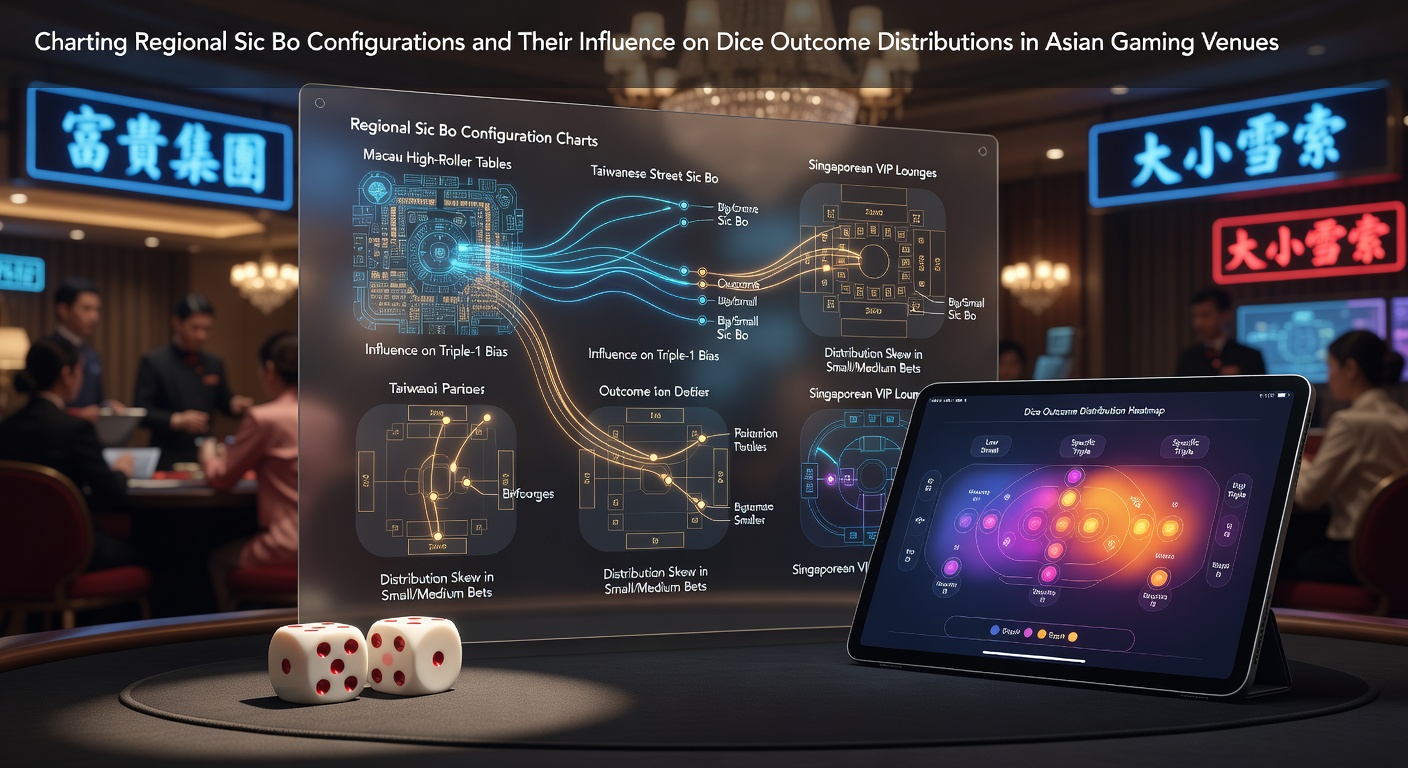
Regional Sic Bo Table Layouts Across Asia and Their Effects on Dice Result Patterns
Asian gaming venues feature Sic Bo tables with distinct regional setups that alter how dice land and distribute across outcomes; observers note these differences arise from local regulations, equipment standards, and player preferences that have evolved over decades.
Core Elements of Sic Bo Configurations
Standard Sic Bo relies on three dice shaken in a basket or electronic device while players bet on totals, combinations, or specific numbers, yet venues in Macau emphasize larger felt layouts with expanded side bet sections whereas Singapore properties often incorporate compact electronic displays that streamline the same core mechanics. These layout choices influence how dealers handle the dice and how results register on the board, and data from multiple properties shows slight shifts in payout timing that correlate with table dimensions.
Variations by Country and Venue Type
Macau casinos frequently use manual shakers with heavier dice made from specific resins that produce different bounce patterns on felt surfaces, while Philippine integrated resorts lean toward automated systems calibrated for faster cycles. Japanese pachinko-linked gaming areas apply stricter dice transparency rules that require visible numbering on all faces, and this setup changes the visual tracking of outcomes without altering mathematical probabilities. Researchers tracking results across these sites have recorded how physical table angles and shaker speeds contribute to minor clustering in certain number combinations during extended play sessions.
Measuring Dice Outcome Distributions
Outcome distributions refer to the frequency patterns of totals from 4 to 17 and specific triples that appear over thousands of rolls, and regional equipment differences affect the observed spread even when fair dice are used. Studies compiled by industry groups indicate that venues with electronic shakers show tighter adherence to expected probabilities in short sessions because the randomization algorithms reset more consistently, whereas manual methods introduce micro-variations from human handling that become noticeable only after large sample sizes. In May 2026 several properties in the region upgraded shaker mechanisms to meet new equipment certification standards, and early figures reveal reduced variance in triple outcomes compared with older models still in use elsewhere.

One study conducted at multiple Asian sites found that table felt texture and surrounding barrier height can redirect dice trajectories enough to influence how often certain edge numbers land face up. Observers tracking live results note that higher barriers in some Macau configurations reduce the chance of dice escaping the play area, which indirectly affects the final resting positions and therefore the recorded totals.
Regional Data and Equipment Standards
Reports from the Macau Gaming Inspection and Coordination Bureau highlight ongoing monitoring of dice integrity across licensed properties, and similar oversight exists through Australian regulatory frameworks applied to integrated resorts in the region. Independent gaming research organizations have published analyses showing that regional calibration of electronic versus manual equipment produces measurable but small deviations in long-term outcome tallies. These findings come from aggregated roll data rather than single-session observations, and they underscore why operators maintain strict maintenance schedules for all dice and shaking devices.
Take one large Singapore venue where staff log every outcome into a central system; the records demonstrate how seasonal humidity adjustments to table surfaces coincide with subtle changes in distribution curves for mid-range totals like 9 through 12. Such environmental factors combine with equipment choices to create the regional signatures that experienced players sometimes reference when selecting tables.
Practical Implications for Venues and Oversight
Operators adjust configurations to balance regulatory compliance with operational efficiency, and this leads to ongoing refinements in dice materials and layout markings that appear across different jurisdictions. Data collected through 2026 shows continued investment in monitoring tools that capture real-time distribution metrics, allowing properties to verify equipment performance against expected baselines. Those who've examined cross-regional comparisons point out that while core probabilities remain constant, the presentation and handling of results vary enough to shape player experience and table flow.
Conclusion
Regional Sic Bo configurations in Asian gaming venues continue to evolve through equipment standards, layout designs, and environmental considerations that together influence observed dice outcome distributions. Ongoing data collection from regulatory bodies and research groups provides the factual basis for understanding these patterns without changing the underlying mathematics of the game.